2–4+ weeks
Creative sprints
Open-ended vision and concept work: research, independent thinking, collaborative ideation, stakeholder alignment, and production of the selected direction.
Google / Media.Monks / 2021–2023
A dedicated creative operating unit built to turn strategic direction into tangible, testable work.
At Media.Monks, I helped establish and operate a standing team for Google that combined the exploratory range of a pitch group with the repeatable rhythm of a production team.
Retrospective adapted from the team’s March 2021 onboarding deck.
A stable core team with more than one gear.
The squad translated strategic directions, product features, and campaign questions into visual concepts that stakeholders could react to. It also handled smaller creative tasks without derailing the larger work.
I served as program manager in the two-person governance layer, partnered with a creative lead and Google brand leads. I managed the stream of work across intake, prioritization, scope, staffing, timing, task state, reviews, and delivery.
2–4+ weeks
Open-ended vision and concept work: research, independent thinking, collaborative ideation, stakeholder alignment, and production of the selected direction.
1–2 weeks
Less complex asks that all or part of the squad could execute alongside a sprint, from visual refinements to templates and focused creative uplift.
1 day
A quick written response or working session where one or two squad members supplied an informed opinion or a second set of eyes.
Protected research, visible decisions, and a clear path to delivery.
The cadence could compress for a short sprint or extend across a month, but the underlying sequence stayed recognizable. Strategy entered as a question. The team turned it into options. Reviews narrowed those options into production.
Brand leads collected requests, aligned on priority, and named the stakeholder responsible for the brief and context.
The squad aligned on the strategic problem, available research, prior campaign context, timeline, and required team shape.
Each team member had a full day to gather references, propose thought starters, and add a personal point of view.
A 90- to 120-minute working session used focused 15-minute rounds, voting, and clustering to turn individual ideas into directions.
Stakeholder workshops and a two-day check-in rhythm narrowed the work. The squad then produced and delivered the selected direction.
Working infrastructure
One visible task state, owner, due date, review handoff, and feedback trail.
A shared canvas for research, fast ideation rounds, voting, and concept clusters.
A predictable home for each sprint or ad hoc ask, organized by creative discipline.
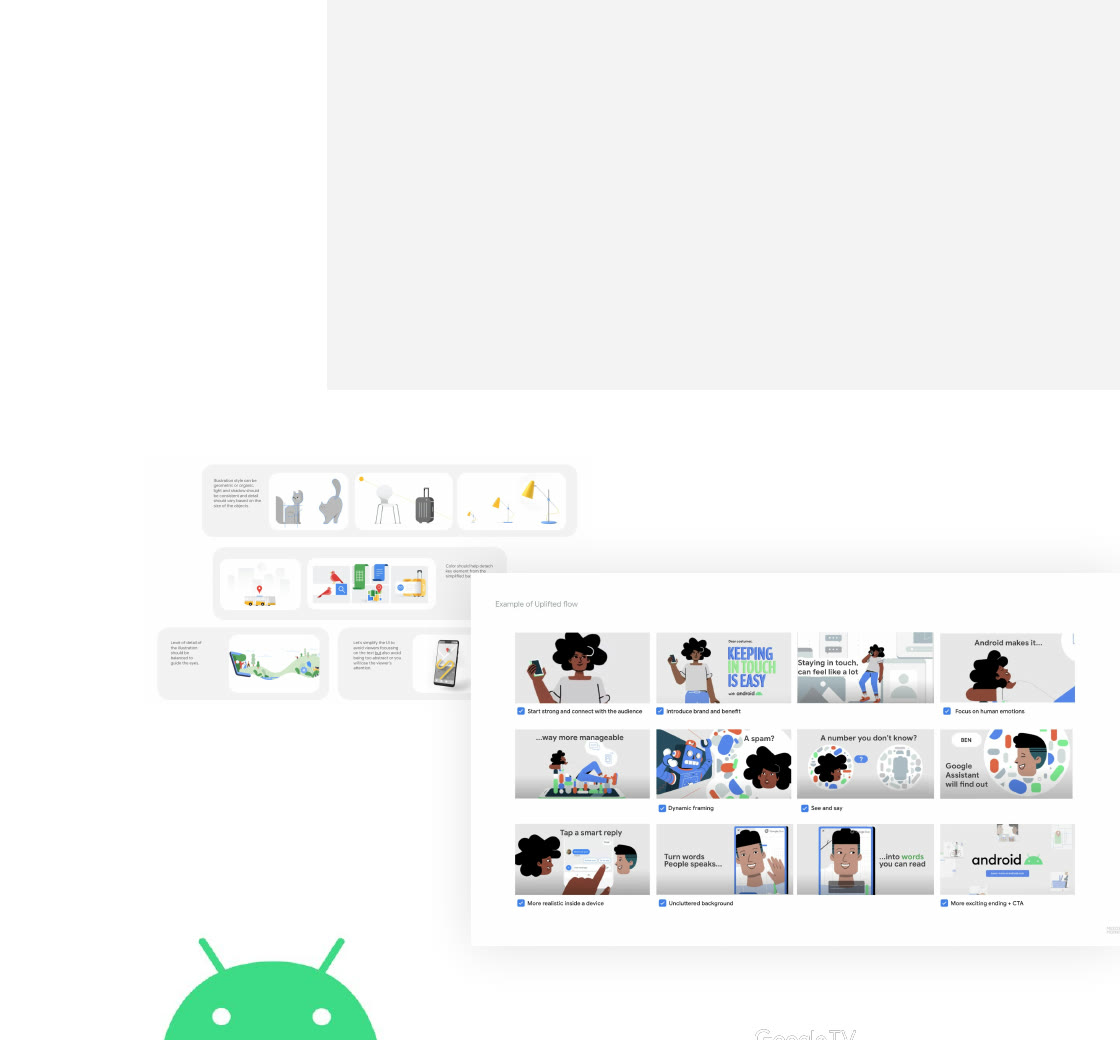
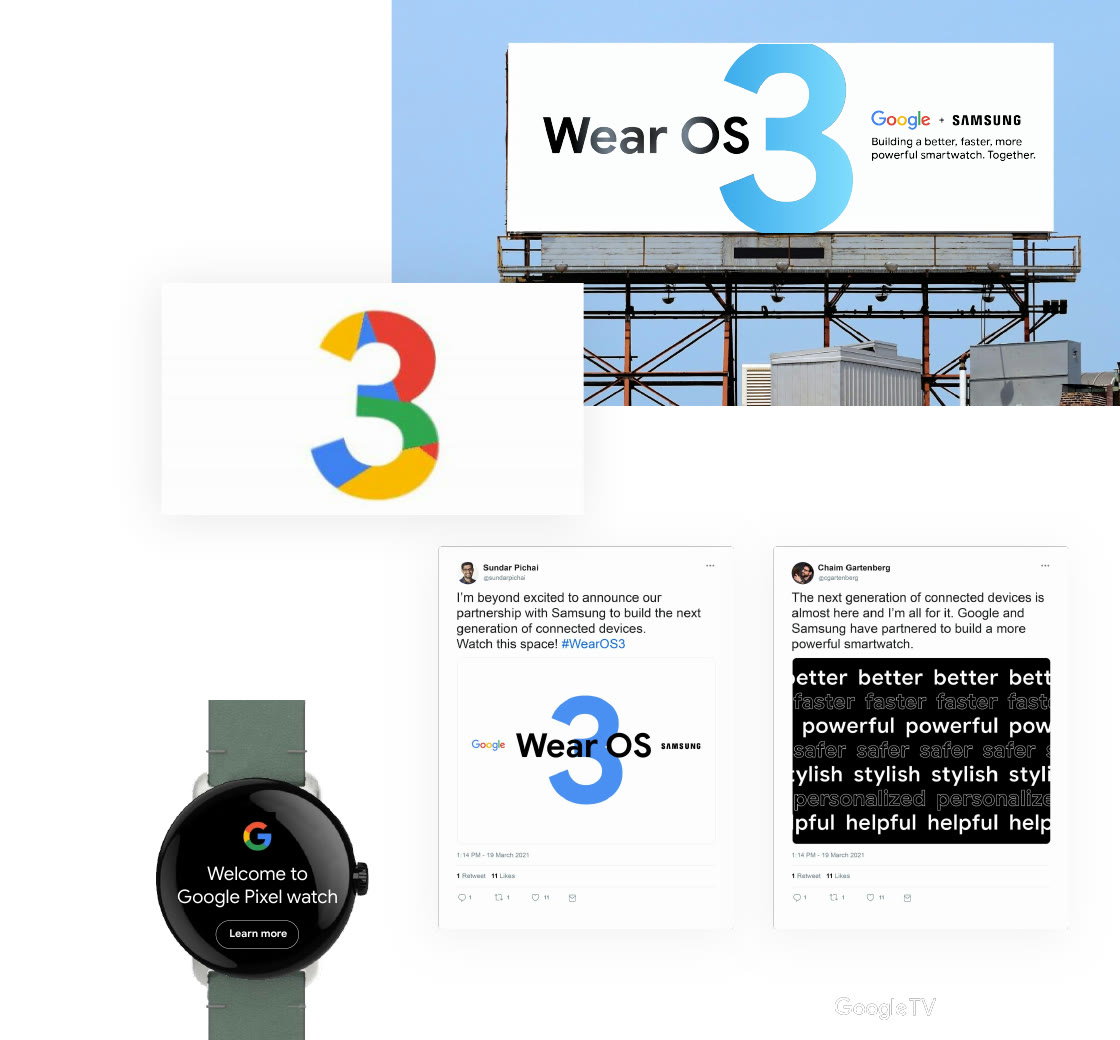
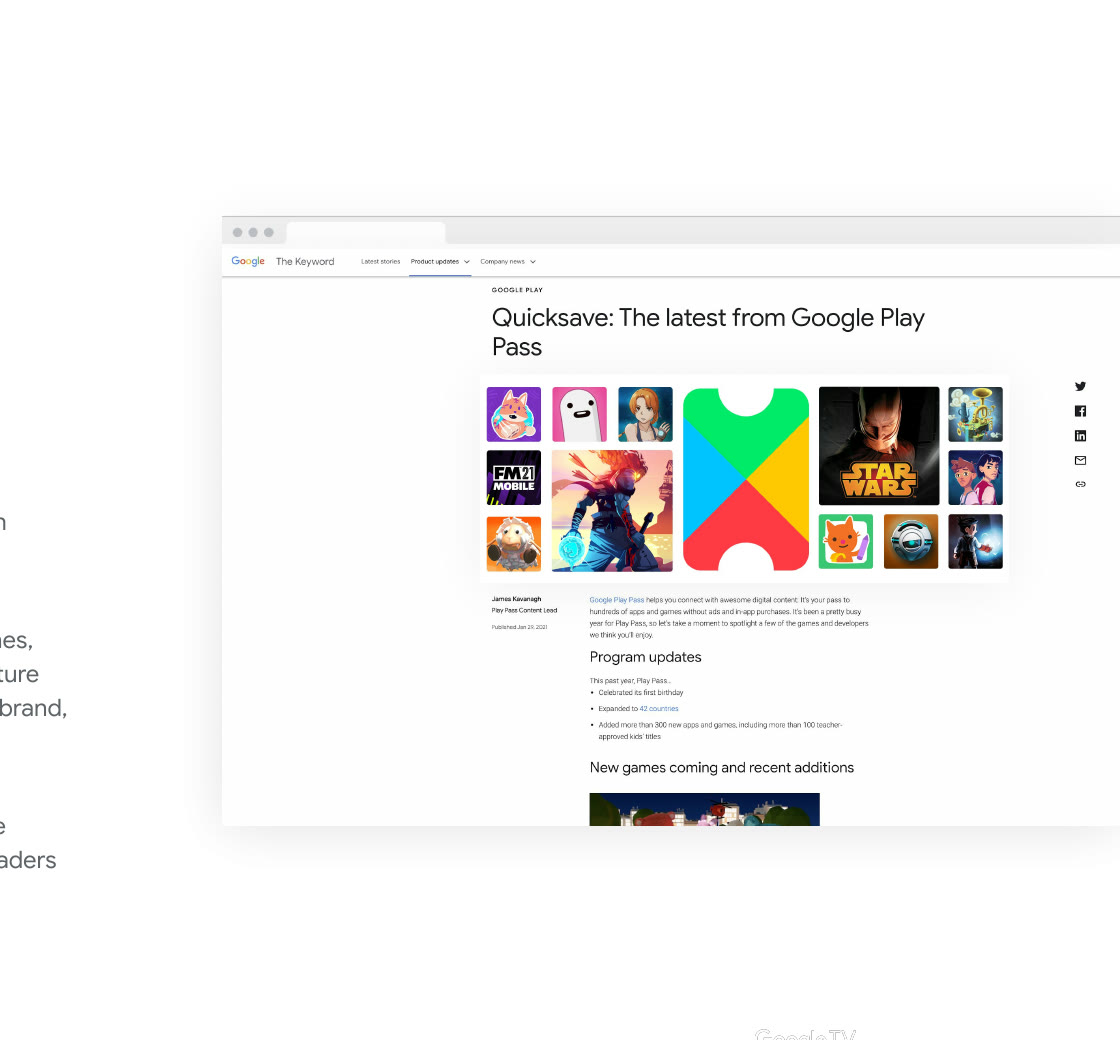
Seven early examples from February and March 2021.
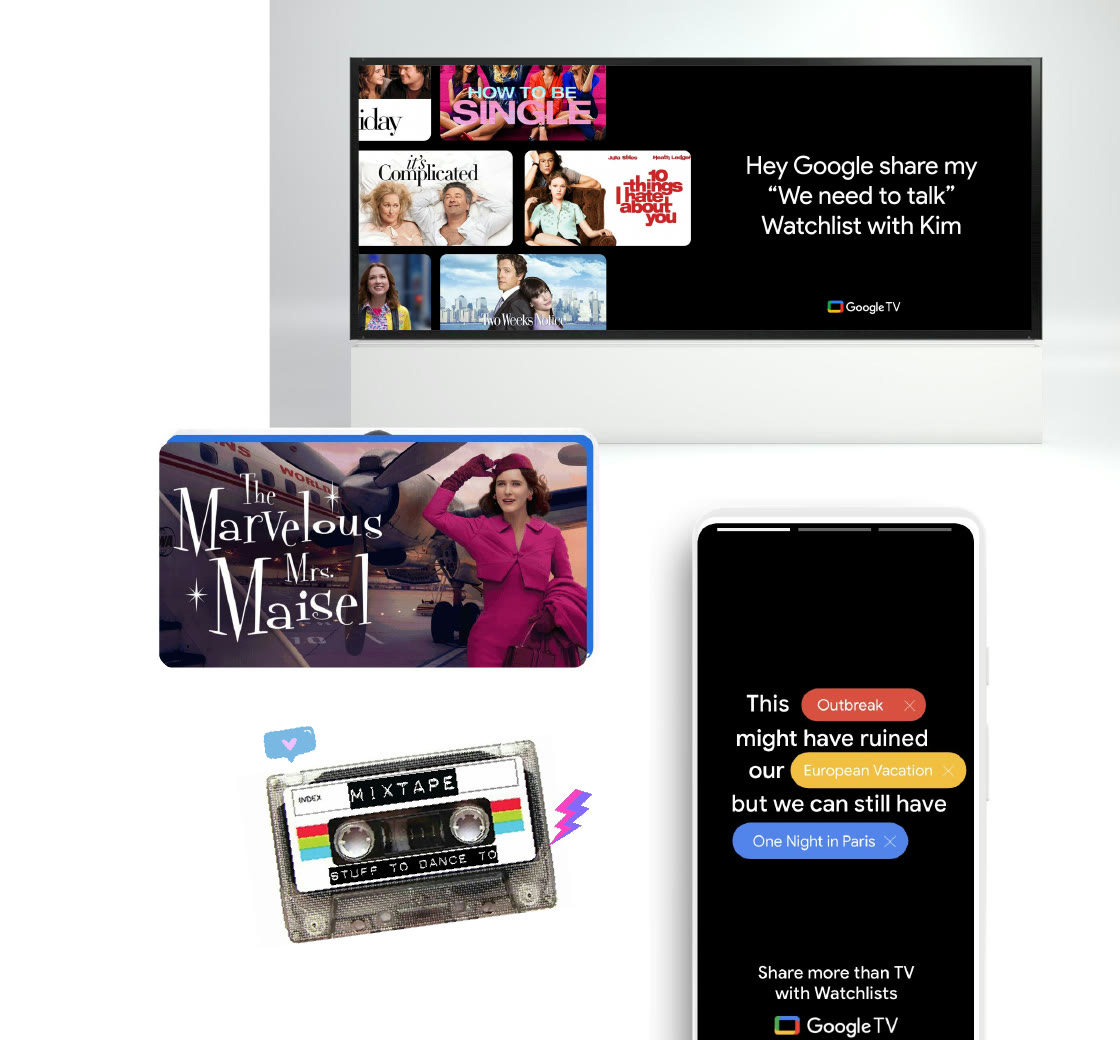
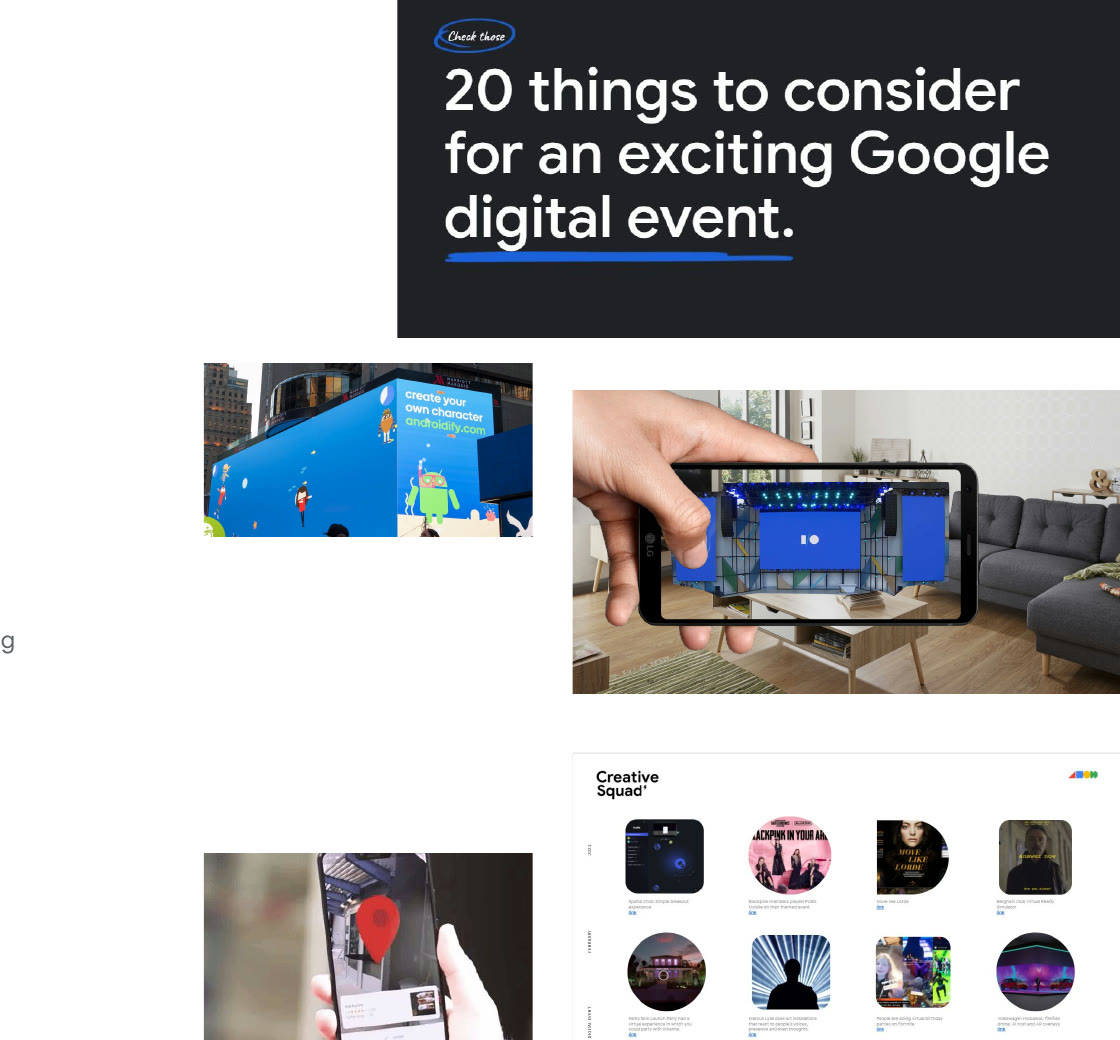
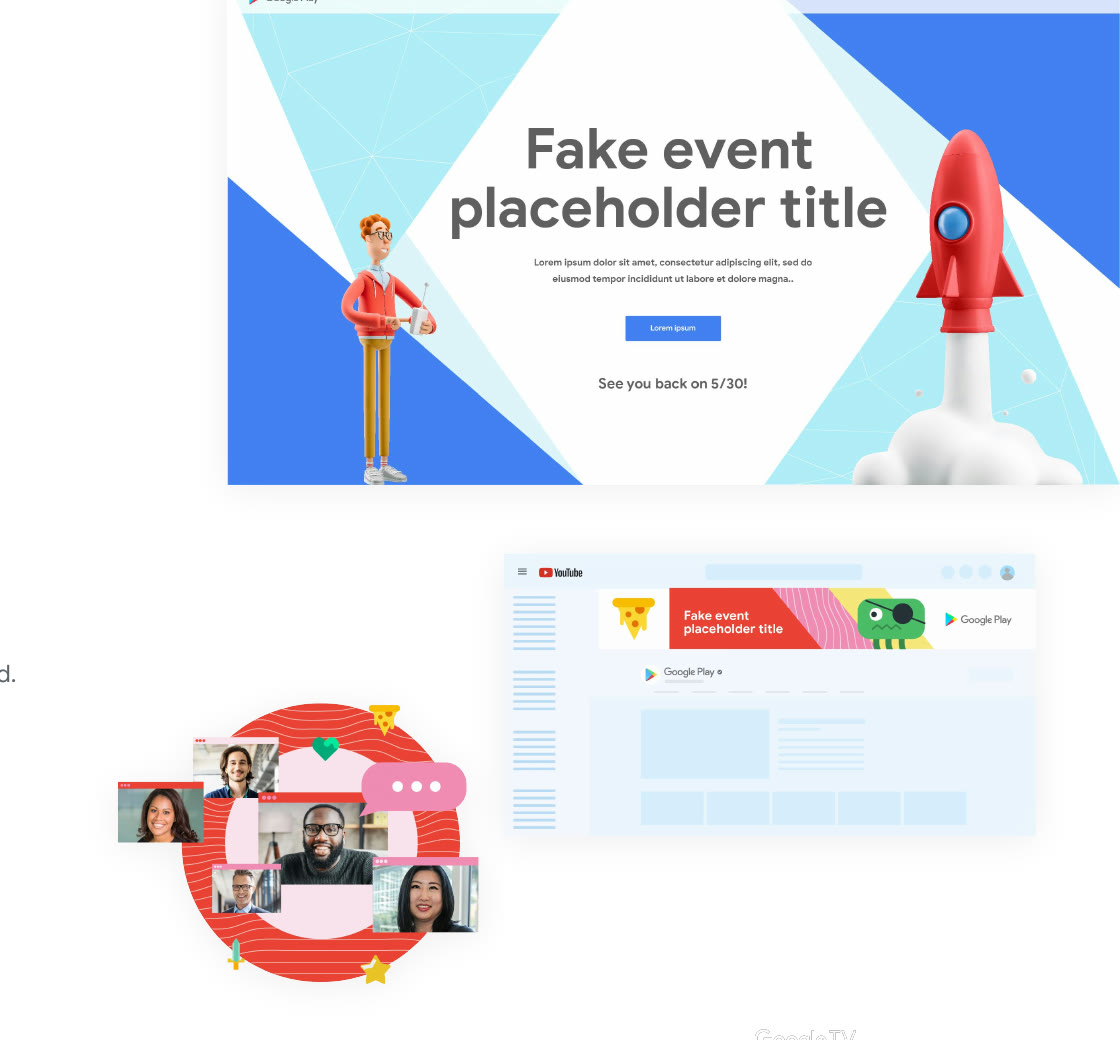
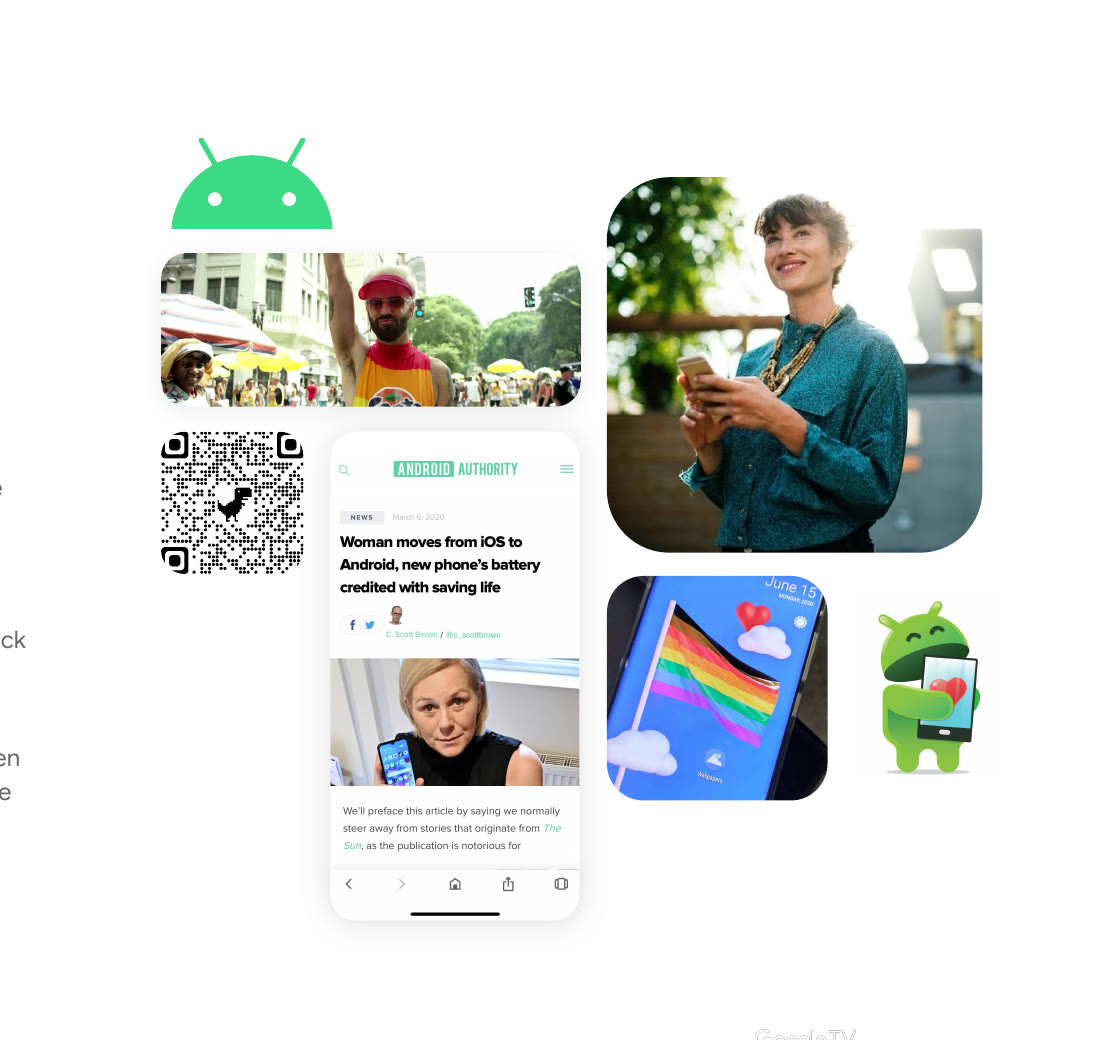
The value was not just the output. It was making ambiguity workable.
Creative Squad gave broad strategic prompts a dependable route from question to artifact. Research time was protected. Ideas became visible early. Stakeholders had clear moments to shape the work. Smaller asks had somewhere to go without consuming a full campaign process.
The lesson I carried forward is simple: creative range comes from the people, but repeatable range comes from the system around them.
Return to the project archive